The Ganges-Brahmaputra Delta: Dynamics of the World's Largest Estuary
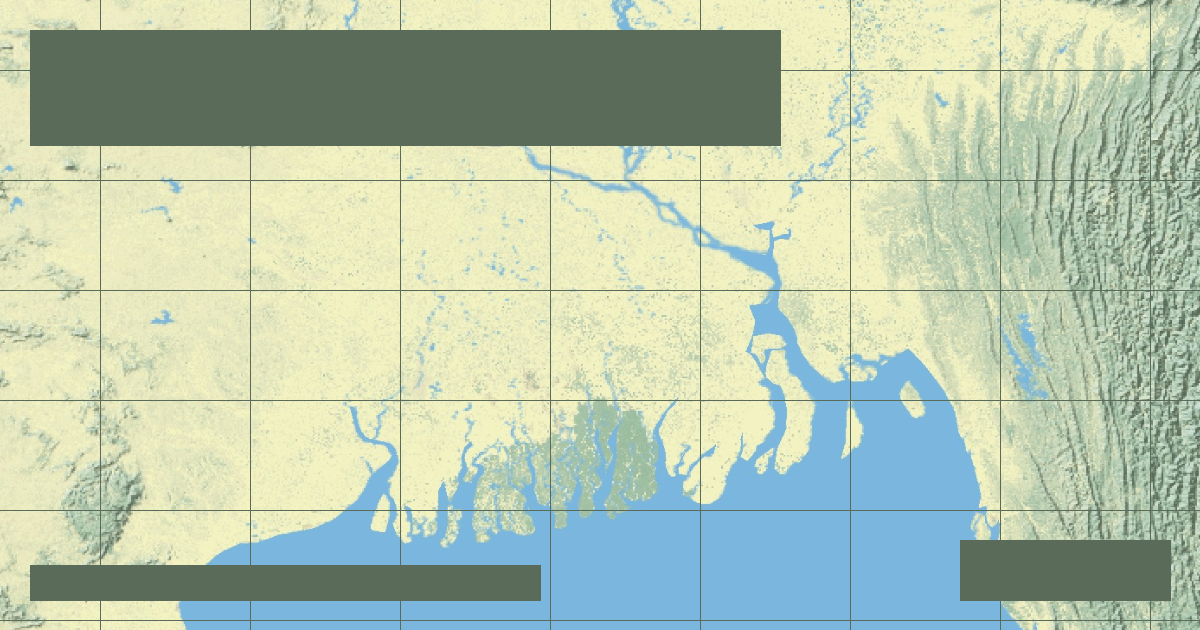
How Himalayan tectonic erosion feeds a colossal delta of 105,000 square kilometers, nurturing the Sundarbans mangrove wilderness and the Bengal submarine fan.
In-depth studies in river hydrology, fluvial geomorphology, transboundary water treaties, and cartographic analysis.
How Himalayan tectonic erosion feeds a colossal delta of 105,000 square kilometers, nurturing the Sundarbans mangrove wilderness and the Bengal submarine fan.
Exploring the flood pulse concept in fluvial ecology, where the predictable annual rise and fall of river water drives evolutionary adaptations.
America's deepest river gorge cuts 7,993 feet into the basalt mountains of Oregon and Idaho along the 1,078-mile Snake River, center of the major Pacific salmon restoration controversy.
Once a two-million-acre lush riparian wilderness, the Colorado River Delta was completely desiccated by upstream dams until historic pulsed-flow restoration treaties.
Flowing 854 miles without a single hydroelectric dam on its mainstem, the Fraser supports the world's most productive wild sockeye salmon migration runs.
Covering 1.4 million acres of bald cypress and tupelo swamps, the Atchafalaya basin serves as the critical safety relief valve for Mississippi River flood surges.
The world's largest blackwater river carries tannin-rich, tea-colored waters from Colombia and Venezuela to create the dramatic Meeting of Waters in Manaus.
Flowing 1,200 miles over the ancient Brazilian Shield, the Tapajós possesses transparent emerald-green waters that contrast sharply with the Amazon mainstem.
At 625 miles, the Loire is France's longest river, renowned as the last wild river in Europe due to its shifting sandbars, braided channels, and absence of major dams.
The RiverAtlas uses essential cookies and local preferences to provide interactive cartography and analyze content usage according to our privacy guidelines.